Aurora sits on glacial till and lakebed deposits that can turn a straightforward dig into a headache fast. The upper 15 to 20 feet are often soft silty clays with scattered sand lenses, and groundwater shows up as shallow as 6 feet in the Fox River basin. When you need to go down three or four levels for a parking garage or a mixed-use foundation near downtown, that combination of weak soil and high water demands a geotechnical design of deep excavations that accounts for both base stability and lateral squeeze. In our experience, the critical step is matching the shoring system to the actual stratigraphy we encounter on site—not just the regional map. We lean heavily on SPT drilling to nail down blow counts across the compressible zone before selecting soldier pile, secant, or diaphragm wall options. For projects within the Route 59 corridor where fill thickness can exceed 10 feet, we also run in-situ permeability tests to confirm the dewatering plan will actually work under a 24-hour pumping scenario.
The biggest variable in Aurora is the transition from soft lake clay to stiff till. Missing that boundary by two feet can double your wall deflections.
Technical details of the service in Aurora
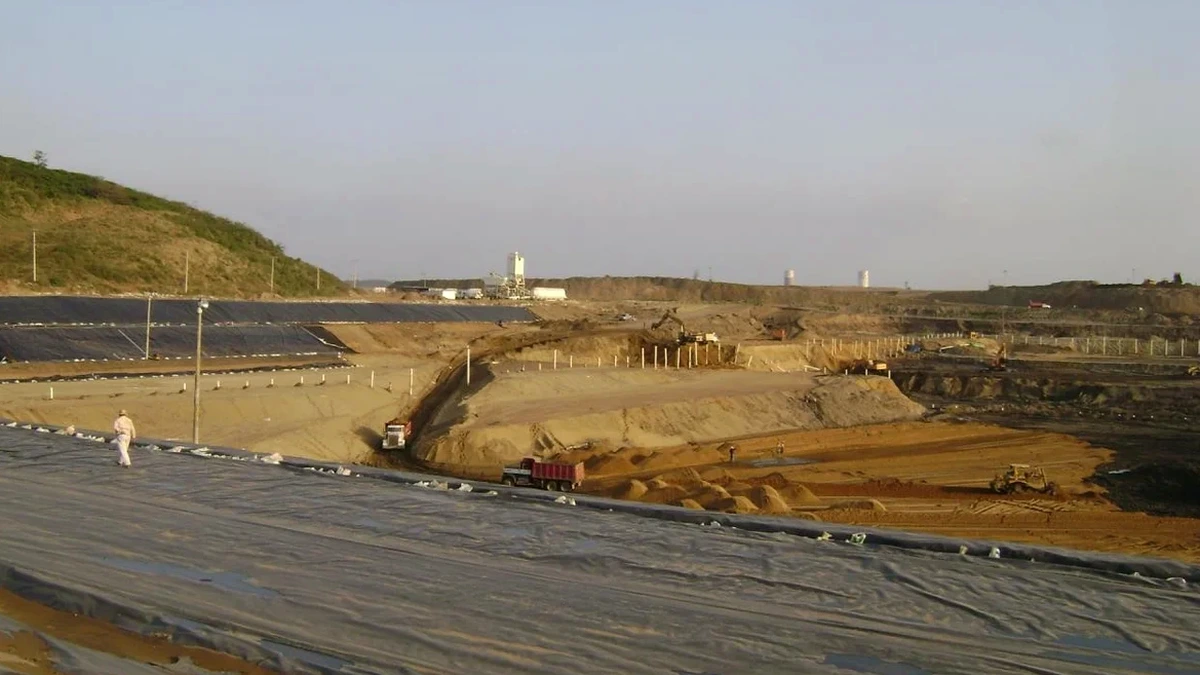
Local geotechnical conditions in Aurora
The east side of Aurora, closer to the river, behaves very differently from the upland areas west of Randall Road. Near the Fox River, the water table sits high and the organic content in the top layers can spike, meaning a cut that stands open for a week in summer might start slumping after two days of rain. West of Orchard Road, the till is shallower and stiffer, but you run into cobbles that make soldier pile installation a slow, noisy job. The real risk we flag for every developer is time. A deep excavation in saturated clay requires a solid dewatering system, and if the permit for groundwater discharge is delayed, the whole sequence stalls. We’ve seen projects where the shoring design was sound but the contractor tried to skip the jet grout bottom seal to save schedule—it never works in Aurora’s silty soils. That’s why our design reports include a clear construction staging plan that sequences dewatering, excavation lifts, and strut preloading so the inspector has a document to enforce in the field.
Our services
The scope of a deep excavation design package in Aurora usually extends beyond the wall itself. We package the following deliverables together so the geotechnical and structural elements are fully coordinated before the first shoring rig mobilizes.
Shoring Wall Design & Stamped Drawings
Complete lateral earth pressure analysis with wall section selection, anchorage or bracing layout, and construction-phase deflection estimates. Drawings are sealed by an Illinois-licensed structural engineer.
Dewatering & Groundwater Control Plan
Aquifer characterization, wellpoint or deep well layout, sump sizing calculations, and discharge water quality sampling schedule aligned with Kane County stormwater requirements.
Construction-Phase Monitoring Specification
Inclinometer and settlement point layout tied to threshold values. We define trigger levels for wall movement and adjacent building tilt so the contractor knows exactly when to adjust the excavation sequence.
Quick answers
What’s the typical cost range for a deep excavation design in Aurora?
How many borings do you need to design a deep excavation in Aurora?
For a single building excavation, we typically recommend a minimum of three borings spaced no more than 100 feet apart, with at least one extending 20 feet below the proposed subgrade. If the site crosses mapped paleochannel features—common near the Fox River—we add a fourth boring to capture the lateral variability in the soft clay thickness.
Can you design an excavation support system that protects adjacent historic buildings?
Yes, and that’s a frequent request in downtown Aurora where masonry buildings from the early 1900s sit right on the property line. We specify stiffer walls like secant piles or diaphragm panels, limit the unsupported cut height, and set pre-loading requirements on tiebacks to keep lateral movements under a quarter inch. A pre-construction condition survey of the adjacent structures is mandatory before we finalize the design.
What happens if you hit groundwater earlier than expected during excavation?
Our design always includes a contingency trigger: if the contractor encounters perched water or a sand lens at a depth not shown on the boring logs, they stop digging and notify us immediately. We re-evaluate the flow net, check the existing dewatering capacity, and if needed, add wellpoints or switch to a deep well system. Having that protocol in the construction documents keeps the site safe and avoids a sudden base blowout.