Underground excavations in Aurora, Colorado, represent a critical discipline within geotechnical engineering that encompasses the planning, analysis, design, and construction of subterranean spaces. This category covers a broad spectrum of activities, from deep shafts and tunnels to large caverns and basements, all executed beneath the ground surface. The importance of specialized underground excavation expertise in Aurora has grown significantly due to the city's expanding infrastructure, including light rail extensions, utility corridors, and the increasing density of urban development that demands efficient use of subsurface space. Properly executed excavations ensure worker safety, protect adjacent structures from settlement, and manage groundwater intrusion, making this a cornerstone of modern civil engineering in the Denver metropolitan area.
Aurora's geology presents unique challenges that directly influence underground excavation methods. The region is underlain by the Denver Basin, characterized by interbedded sedimentary rocks including claystones, siltstones, and sandstones of the Dawson, Denver, and Arapahoe Formations. Near the surface, expansive clay soils and wind-deposited loess are common, which can swell or collapse upon exposure to moisture changes. These conditions demand rigorous geotechnical analysis for soft soil tunnels to predict ground behavior and select appropriate tunneling techniques. Additionally, the presence of shallow groundwater in parts of Aurora, particularly near Sand Creek and Toll Gate Creek, requires careful dewatering and waterproofing strategies during excavation.
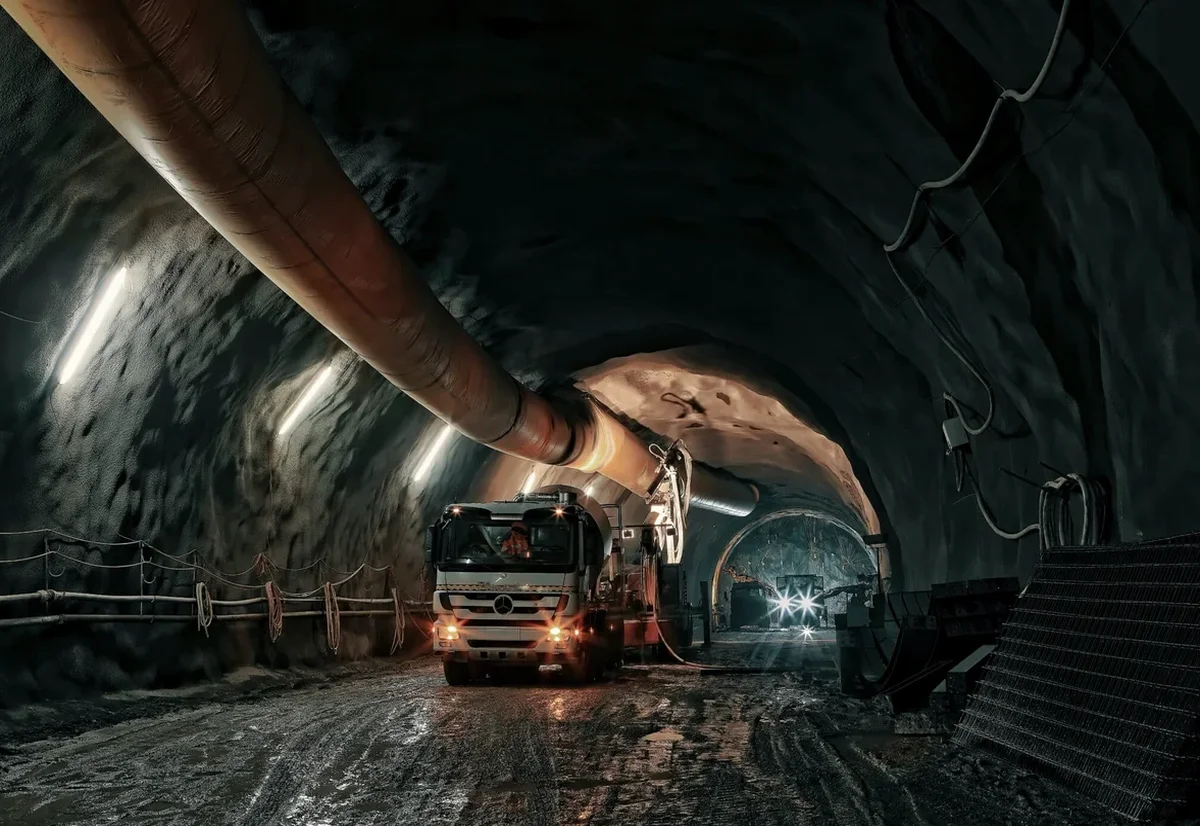
Regulatory compliance is a fundamental aspect of underground excavations in Aurora, governed primarily by federal and state standards. The Occupational Safety and Health Administration (OSHA) Standard 1926 Subpart S provides mandatory safety requirements for trenches and excavations, including soil classification, protective systems, and competent person inspections. Colorado's Department of Public Health and Environment (CDPHE) enforces additional regulations related to groundwater discharge and soil management during excavation. For tunneling projects, the Federal Highway Administration (FHWA) guidelines on road tunnel design and the National Fire Protection Association (NFPA) 502 standard often apply. Local permits from the City of Aurora's Public Works Department are required for right-of-way excavations, ensuring that all subsurface work aligns with municipal infrastructure protection codes.
The types of projects requiring underground excavation services in Aurora are diverse and growing. The Regional Transportation District's (RTD) light rail expansions, such as the R Line, frequently involve cut-and-cover tunnels and underground stations. Deep sewer interceptor lines and stormwater detention tunnels are essential for managing urban runoff in a semi-arid climate prone to flash flooding. Commercial and residential high-rise developments in the Aurora City Center district require deep basements and parking structures, often necessitating geotechnical design of deep excavations with robust earth retention systems. Utility companies also drive small-diameter tunnels for electrical conduits and fiber optic networks. For all these, continuous geotechnical excavation monitoring is vital to track ground movements and ensure the safety of adjacent infrastructure.
Quick answers
What are the main geological risks for underground excavations in Aurora?
The primary geological risks include expansive clay soils that can swell and exert pressure on retaining structures, the presence of weak claystone bedrock that slakes when exposed to air and water, and shallow groundwater levels near creek corridors. These conditions can lead to ground instability, excessive settlement, and water inflow during excavation.
Which OSHA regulations apply to trenching and excavation safety in Colorado?
OSHA Standard 1926 Subpart S governs excavation and trenching safety nationwide, including Aurora. It requires soil classification by a competent person, the use of protective systems like shoring or sloping for excavations deeper than five feet, daily inspections, and safe access and egress. Colorado enforces these federal standards without significant state-specific amendments.
What is the typical depth requiring engineered support for an excavation in Aurora?
While OSHA mandates protective systems for excavations five feet deep or greater, engineered support designs are typically required for excavations exceeding ten feet in depth or when adjacent to existing structures. In Aurora's expansive soils, even shallower excavations may need engineered shoring if they remain open for extended periods, to prevent wall raveling and base heave.
How is groundwater managed during deep excavations in the Denver Basin?
Groundwater management typically involves a combination of dewatering wells, wellpoints, or sump pumping to lower the water table below the excavation base. In Aurora, where aquifers can be confined within sandstone layers, careful monitoring is essential to prevent base instability or 'blowouts.' Discharged water must meet CDPHE quality standards before release into storm drains.